
Assisted Stretching for Athletes: How it Can Aid In a Quicker Recovery
Stretching is an important part of an athlete’s routine and can play a significant role in their recovery. Here’s a breakdown of some strategies to incorporate into your stretching routine:
Stretching for Recovery
- Increased Flexibility: Consistent stretching increases the range of motion in your joints and muscles,which can reduce the risk of injuries and improve your overall performance.
- Increased Circulation: Stretching helps increase blood flow to your muscles, which can accelerate the delivery of nutrients and removal of wastes, aiding in recovering quicker.
- Decreased Muscle Pain: Stretching can help reduce the soreness that often follows intense exercise by relaxing tight muscles and breaking down muscle knots.
- Decreased Stiffness: Incorporating stretching into your routine helps prevent stiffness, making it easier to move and perform in subsequent workouts or games.
- Relaxation: Stretching can help reduce stress and muscle tension, promoting overall relaxation and mental well-being, which is crucial for recovery.
Different Types of Stretching
1. Static Stretching: Holding a stretch for a period (usually 15-60 seconds) to lengthen the muscle. This is effective for improving flexibility and should be done after exercise when muscles are warm and you are cooling down.

2. Dynamic Stretching: Involves moving parts of your body through their full range of motion. This type of stretching is beneficial as part of a warm-up routine to prepare your muscles for activity.

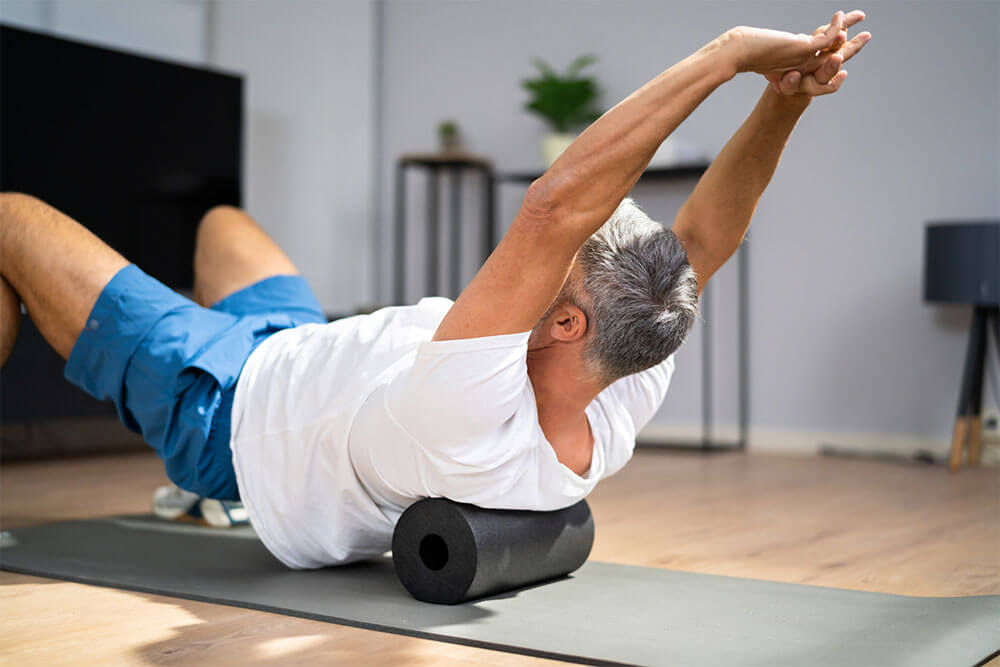
3. Foam Rolling (Self-Myofascial Release): Using a foam roller to apply pressure to specific areas of muscle tightness can help release knots and improve blood flow to the muscle.
Stretching Strategies to Avoid Injury
- Warm Up First: Do a light cardio activity for 5-10 minutes before stretching to increase your muscle temperature and warm up the body. For example high knees, skipping, jumping, hopping or a light jog.When muscles are warm they become more pliable and stretchy.
- Stretch All Major Muscle Groups: Focus on areas that were worked during your activity, but also include other major muscle groups that assisted those major muscles to maintain overall flexibility.
- Incorporate Both Static and Dynamic Stretching: Use dynamic stretching as part of your warm-up before exercising, and static stretching for cooling down after workouts.
- Maintaining Consistency: Stretching regularly helps maintain flexibility and aid in recovery. So even on rest days you should be stretching. The body is like a rubber band, and will shrink back up becoming less flexible if you are not consistently stretching.
- Listening to Your Body: Stretching to the point of mild discomfort, & not pain. Over-stretching can lead to injuries, so make sure you are
- Hydration and Nutrition: Proper hydration and nutrition play critical roles in the muscle recovery process. Make sure you’re drinking enough water and eating a well balanced diet to help your muscles recover quicker.
By implementing these stretching techniques and strategies into your routine, you can enhance your recovery and overall athletic performance.
Don’t Just Take It From Us…
Hear From Our Members

I’ve been to Stretch U many times and been treated by many different employees. Whoever you get, they are all great at the stretches and personalizing them to your needs. Most of all, they are all friendly and professional Highly recommend! Won’t be going anywhere else.
Brandon
I'm so glad I finally tried Stretch U! I am a professional Massage Therapist, plus I lift heavy weights with a trainer 2 hours a week. I have had trouble finding a massage therapist skilled and knowledgable enough to give me the deep work that I need. So I tried Stretch U, and it has been a great addition to my self care routine. Since I added stretching sessions I am less sore from my workouts and work, and I'm sleeping better!
Barbara
I ABSOLUTELY LOVE Stretch U!!!! I’ve been getting stretched for about two months now and my flexibility is almost 100% restored!!! The stretch members know their stuff! Although, I’ve been partial to Cameron; I believe ALL of the stretch staff members are equally awesome!
Danielle, aka MamaD Rogers
Very fun environment. Friendly staff. I cannot tell you how much it helps physcially and mentally. It leaves your stress behind. Im also a golfer and it has helped tremendously wuth being more limber and has increased swing speed. Definitely give this a try.
Brent Rushing
The staff are very professional and excellent at what they do. Stretch U is much better than a sports massage or Physcial Therapy session. Stretch U heals the body better and helps those deteriorating joints. Kyle was our technician and does an excellent job healing our bodies! Try it, you'll appreciate it.
Ernie Blando
After having two stretch sessions with Jordan, I feel so much better. I was not sure what to expect as I had never been to a “stretch” session before. Jordan made me feel very welcome and comfortable. He is very professional. A great technique with much improvement after the very first stretch.